When one first sees the yellow, dungaree-wearing blobs we’ve come to know as Minions, it is easy to dismiss them as a product of childish humour and clever commercial gimmickry. From playing a comparatively small part in the first Despicable Me film, they have since become the face of a global merchandising empire, appearing on everything from toys to theme park rides. They speak gibberish, are obsessed with bananas and are not averse to toilet humour. If children’s cinema was going to have an enjoyable if insubstantial romp in 2026, my money would have been on the minions.
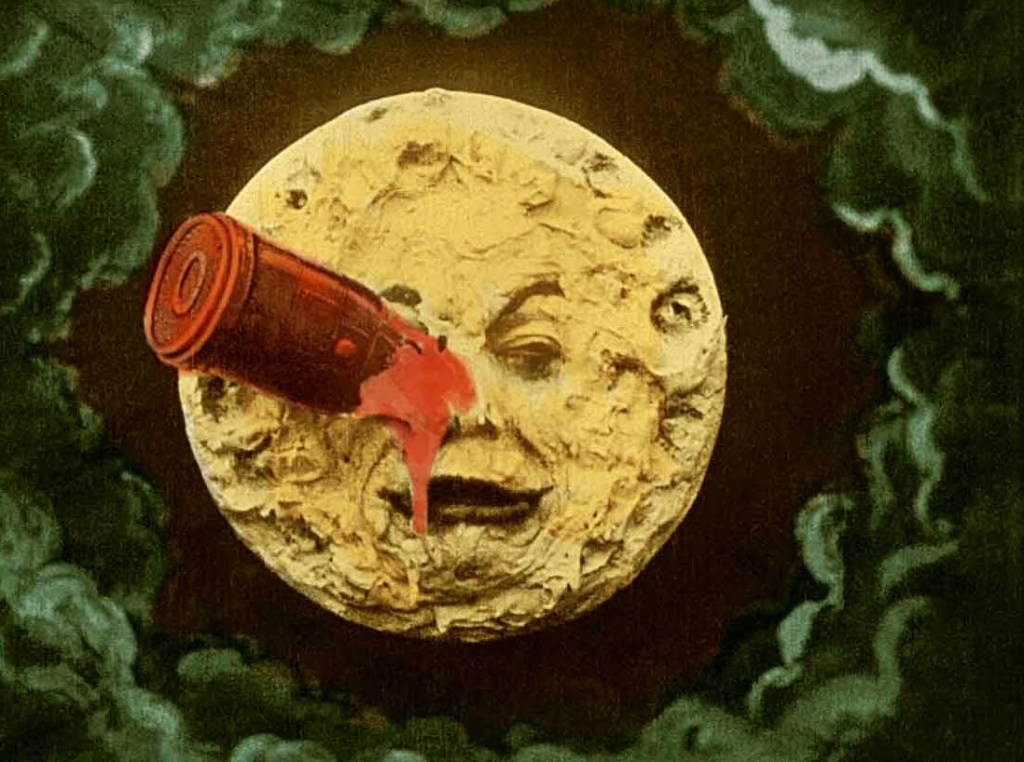
I would have lost such a bet! Directed by Pierre Coffin, Minions and Monsters depicts the minions attempting to make a movie in the golden age of silent cinema. The famed film reviewer, Mark Kermode, described the film as the most “cineliterate” movie of the year so far. From its opening sequence, the movie is packed full of references to film history. During the movie’s run, I caught nods to the house front falling down in Steamboat Bill, Jr (1928), the clock hanging scene in Safety Last (1923), the cog scene in Chaplain’s Modern Times (1936) and the rocket in the moon’s eye from Georges Méliès’ A Trip to the Moon (1902). As someone only faintly acquainted with the classics, I’ll readily admit mosts of these references I only appreciated due to my love of Scorsese’s 2011 film Hugo. An instagram reel I saw jokingly outlined how to fully appreciate every joke and gag in Minions and Monster’s you’d need to consume a whopping 300 hours of content.
As with most great kids’ films, the feature works on two levels. For younger viewers, there is the expected barrage of slapstick, visual gags and Minion mayhem. For adults, however, the film is chock-full of Easter eggs to spot and symbolism to unpack. Its main villain, a gelatinous orange blob filled with thousands of eyeballs, has already attracted numerous interpretations. Simon Mayo put it to Pierre Coffin that the creature was a thinly veiled allusion to the “orange monster” in the White House, while others have suggested that it represents the cinematic audience itself: an amorphous mass of staring eyes, voraciously consuming whatever appears before it. The fact the movie can provoke this level of interpretation at all is perhaps the clearest sign that Minions and Monsters is more than a cynical merchandising exercise. I saw it at the cinema on the same day I watched Karim Karim Aïnouz‘s Rose Bush Pruning and let’s just say I know which movie I want to watch again.


Leave a Reply