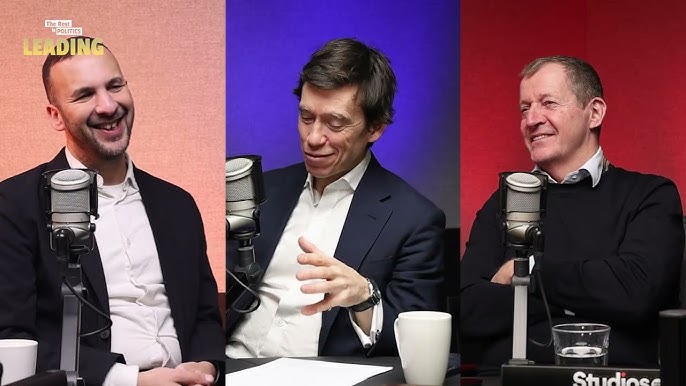
The Rest Is Politics can get a hard rap from some of the smaller podcast production companies. Many journalists have been in the podcast game far longer, and some are understandably resentful that it took ‘two older white male political-has-beens’ to elevate British political podcasts to mainstream recognition. While I understand the instinct to punch up, I’ve increasingly come to appreciate the show’s unique appeal and recognise why the podcast is largely deserving of its meteoric rise. In this blog I thought I’d focus on some truly remarkable interviews that have aired on The Rest Is Politics: Leading over the past few weeks. Due to the size of their audience, their connection to Westminster and the promise of ‘disagreeing agreeably’, Campbell and Stewart have been able to subject their guests to a level of scrutiny that’s become less and less common in our contemporary media climate.
I was first blown away by a two-part interview with Michael Gove, a long-serving Conservative politician, perhaps most famous for his tenure as Education Secretary and his current role as Editor of the Spectator. Though a somewhat controversial figure, he’s always been one of the Conservative ministers I’ve had some time for. Unlike a lot of politicians he makes a genuine attempt to answer questions rather than simply trotting out the pre-rehearsed line. He’s prepared to engage in more intellectual arguments and for that, if nothing else, he has my respect.
The interview that took place between them would best be described as a soft-spoken evisceration. Stewart clearly likes Gove; they’d worked together in government and there were clearly aspects of his character and career he openly admired. That familiarity, however, made his critiques all the more biting. When he challenged Gove for speaking with undue force on subjects he did not fully understand, the questions were phrased gently but the implications were brutal. Similarly, when he highlighted the polite yet slippery nature of his political character, the remarks carried a sharper edge precisely because they came from someone who knew and respected him.
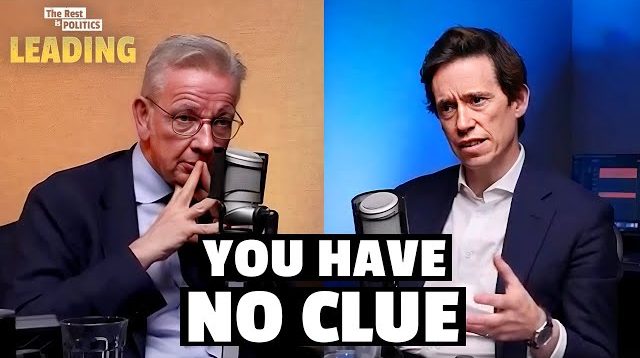
I got the sense this was the kind of interview The Rest is Politics was in a unique position to pull off. The show’s quasi-official tagline of “disagreeing agreeably” guarantees that any guest who appears on the show will get a fair hearing. Furthermore, the interview length means guests have a chance to show their human side. Although, these factors seem like a clear win-win for the guests, the interviews aren’t without potential dangers. Because both hosts have a reputation for being reasonable and fair minded hosts, the times they really critique land with the force of an anvil.
A similarly brutal light was cast on the Green Leader Zack Polanski. After initially coming off likeable while discussing his upbringing and political awakening, the interview turned to the topic of economic credibility. Stewart pursued this relentlessly, pressuring Polanski to name serious economists who backed his plans. The moment appeared damning. It was quickly clipped and spread across the internet. Even the Labour Party social media accounts took to posting it on their feeds to highlight how the Greens weren’t a credible party. The interview marked the first real damage to the Green Leader since his astronomic rise in the polls and wiped away some of his messianic mystique.
Overall, politicians should be careful about appearing on Leading. The audience size presents serious opportunities and if a guest comes across as competent, prepared and compelling there can only be upsides to appearing on the show. The key is to recognise that the format cuts both ways. The hosts are willing to let politicians explain themselves in a way that many interviews do not, but they are equally willing to probe the weaknesses that emerge when those explanations are tested. Consequently, when a true vulnerability is uncovered, their criticisms carry far more force than they would coming from a more openly hostile interviewer. Still, I hope politicians continue to brave the Stewart and Campbell scrutiny. Somehow I can’t imagine Farage or Badenoch taking their chances.


Leave a Reply