Choosing a PhD topic isn’t a lightbulb moment. It’s more like whittling down a long list of things you could write 100,000 words about, and figuring out which one you actually should. For me, that meant slowly ruling out ideas that were too vague, too far outside my expertise, or just not compelling enough to invest three years of study in. Any topic I chose had to be substantial enough to justify a full PhD, convincing enough to secure funding from academic reviewers, and still be a subject I could live with, argue for, and stay curious about over the long haul.
My PhD is now “Crossing the Floor: Why MPs Defect!” (title subject to change)— a political history of party-switching in post-war Britain. Though things could change, the plan is to examine why Members of Parliament change sides, focusing on the period between 1966 and 2019. It’s a topic full of psychological tension and political theatre: ambition, ideology, betrayal, loyalty — sometimes all at once.
But before settling on defections, I flirted with several other topics, some of which I still think. I had a half-formed idea about the role of political scandal — what turns a gift or donation into a headline-grabbing outrage? I wanted to explore whether MPs have become glorified caseworkers, spending more time firefighting constituency problems than making policy. I also toyed with writing about the rise of political podcasts, which I listen to obsessively. The West Wing also featured, as I considered how political dramas use fictional nations to say things they couldn’t about real countries.
Some of these ideas never made it past the “late-night-note-on-my-phone” stage. Others were more fully developed and pitched to my supervisor.
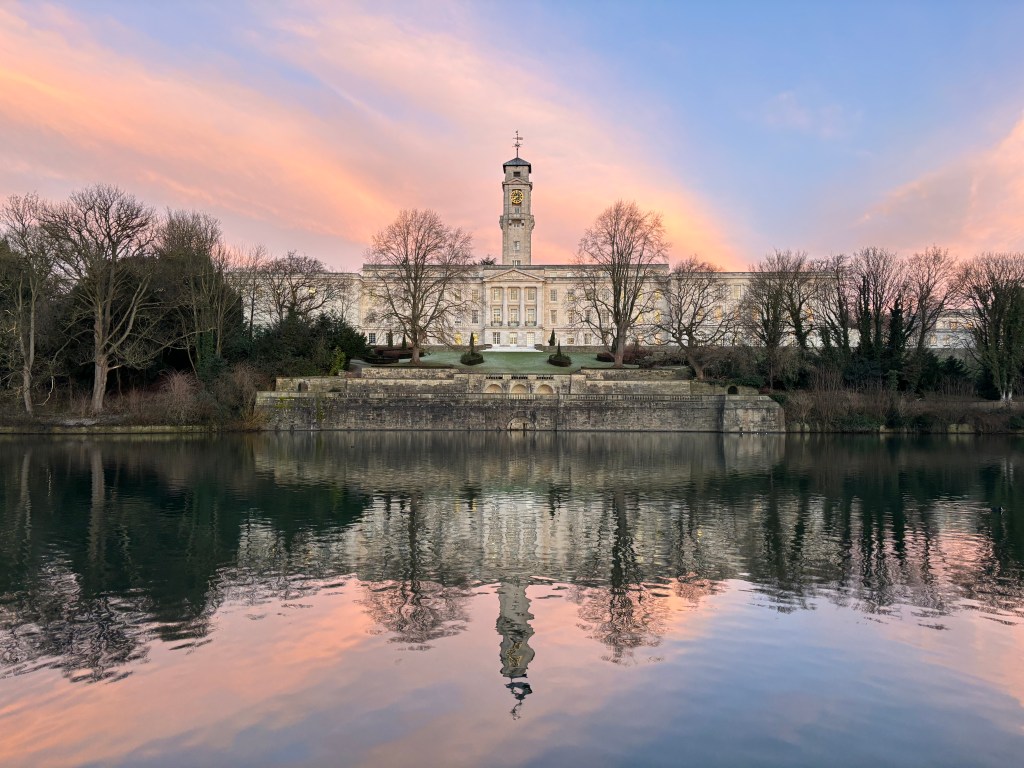
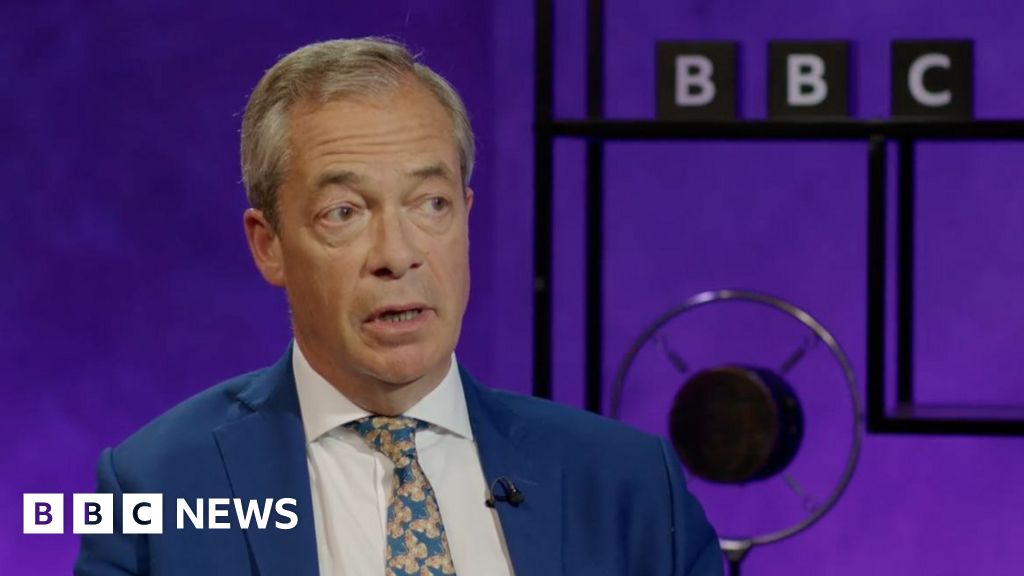
I was drawn to the idea of comparing Reform UK with Canada’s Reform Party under Preston Manning. Both movements came from the political fringes, challenged the established party system, and were shaped by strong personalities who created something more enduring than simple protest. If Farage has knowingly followed Manning’s playbook, or is in the process of doing so, the comparison becomes incredibly pertinent to our present political moment. The difficulty was justifying the project as a good fit to be studied at Nottingham University by a prospective PhD candidate without any form of background in Canadian politics. It was an idea I found compelling, but not one I could credibly pursue.
Another idea centred on political podcasts. I’ve listened to thousands over the years and keep a running log of everything I hear. I’d noticed how Brexit seemed to accelerate a boom in the format — not just in quantity, but in reach and tone. Podcasts like Remainiacs, Brexitcast, and The Rest is Politics weren’t just responding to political events; they were helping to shape the conversation around them. Though I had a strong personal interest in the topic, I struggled to turn it into a compelling research question. I kept coming back to the same problem: what would I actually learn through years of study that wasn’t already obvious through close listening?

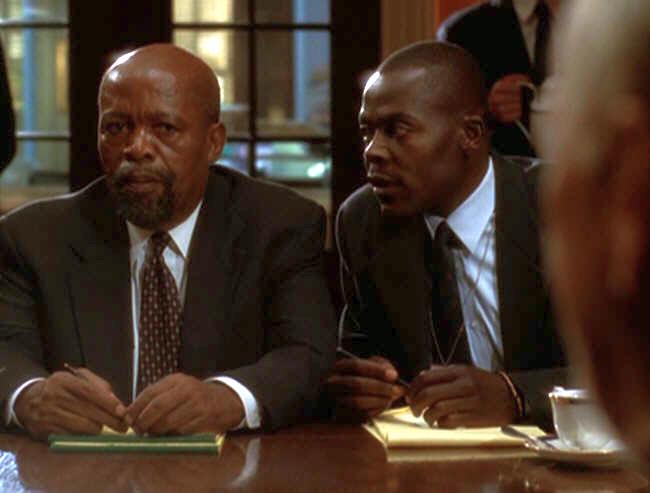
I also considered fictional countries in political drama, especially in shows like The West Wing. I’ve long been interested in how scripted television uses fictional states — Equatorial Kundu, Qumar — to work through foreign policy dilemmas that real-world politics might not allow. The idea still appeals, but I wasn’t confident there’d be enough material to sustain a full project. I’d run into similar limitations at the end of my MA, and I didn’t want to build a PhD around a subject that couldn’t scale.
The two ideas that came closest to being my PhD topic were on political scandal and MPs as caseworkers. The scandal idea would have looked at how the threshold for what counts as unacceptable conduct has shifted over time — depending on the decade, the type of offence, and the political affiliation of the MP in question. It would have combined political history with media analysis, asking how and why some stories catch fire while others quietly disappear. The casework project focused on the changing role of MPs themselves: why so many now prioritise local casework over legislative or policy work, and how public expectations of MPs have evolved in response. Both ideas felt viable — well-scoped, researchable, and rooted in real political change.
But defections had something they didn’t.
It’s a story about loyalty, belief, pressure, and change — intimate personal decisions that, if timed right, have the potential to reshape political discourse and even bring down governments. Much as it was sad to discard ideas and close down other avenues of research, I’m confident that choosing defections is ultimately the right choice. If I’m investing the next three years of my life undertaking a PhD, there’s no topic I’d rather be pursuing.
(This article mainly elaborated on why I didn’t choose other topics so at some point I may write a follow up piece to further elucidate why the topic of political defections has me hooked).


Leave a Reply